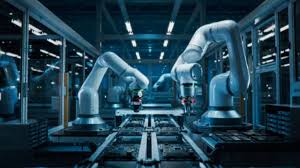
Robotics and automation are at the forefront of technological advancement, transforming industries, workplaces, and even homes. From factory assembly lines to self-driving cars and household assistants, robots and automated systems are becoming increasingly capable, intelligent, and integrated into daily life. The combination of robotics with artificial intelligence (AI), machine learning, and the Internet of Things (IoT) is driving unprecedented efficiency, precision, and innovation. This article explores the fundamentals of robotics and automation, their applications, benefits, challenges, and future prospects.
Understanding Robotics
Robotics is the branch of technology that designs, constructs, and operates robots—machines capable of performing tasks autonomously or semi-autonomously. Robots can vary widely in form, functionality, and complexity, from simple mechanical arms to humanoid robots capable of advanced interaction.
Key components of robots include:
Sensors: Detect environmental conditions, such as distance, temperature, light, or sound.
Actuators: Convert energy into motion to perform physical tasks.
Controllers: Process input data and generate commands for the robot’s actions.
Power Supply: Provides energy, usually via batteries or electrical connections.
Software and AI: Enables decision-making, learning, and autonomous behavior.
Robotics aims to replicate or augment human capabilities, improving precision, speed, and safety across various applications.
Understanding Automation
Automation refers to the use of technology to perform tasks without continuous human intervention. Automation can be simple, such as mechanized assembly lines, or complex, like AI-driven process optimization. It often involves robotics but also encompasses software automation, industrial control systems, and digital workflows.
Automation can be classified into:
Industrial Automation: Manufacturing processes, machinery control, and assembly lines.
Office/Software Automation: Workflow management, robotic process automation (RPA), and data handling.
Home/Service Automation: Smart home devices, automated cleaning systems, and personal assistants.
Together, robotics and automation reduce human effort, improve accuracy, and increase efficiency.
Applications of Robotics and Automation
- Manufacturing and Industry
The industrial sector has been the traditional hub for robotics and automation. Robots perform repetitive, dangerous, or precise tasks faster and more accurately than humans:
Assembly Lines: Automotive, electronics, and consumer goods industries use robotic arms for assembly, welding, painting, and packaging.
Quality Control: Vision systems inspect products for defects, ensuring consistent quality.
Material Handling: Automated guided vehicles (AGVs) and robotic forklifts transport materials efficiently.
This automation improves productivity, reduces operational costs, and enhances workplace safety.
- Healthcare and Medicine
Robotics and automation are revolutionizing healthcare:
Surgical Robots: Systems like the da Vinci Surgical System assist surgeons with minimally invasive procedures, improving precision and reducing recovery time.
Telemedicine and Remote Surgery: Robots enable procedures to be performed remotely, connecting specialists with patients worldwide.
Automation in Laboratories: Robotic systems handle repetitive lab tasks, such as sample analysis and medication dispensing.
Robotics enhances patient care, reduces errors, and supports medical research and diagnostics.
- Agriculture
Agriculture is increasingly adopting robotics and automation for efficiency and sustainability:
Autonomous Tractors and Harvesters: Reduce manual labor while improving accuracy and speed.
Drones and Sensors: Monitor crop health, soil conditions, and irrigation needs.
Robotic Milking Systems: Automate livestock management, ensuring consistent care and productivity.
Smart farming increases yields, conserves resources, and supports data-driven decision-making.
- Logistics and Supply Chain
The logistics sector benefits from robotics and automation for efficiency and cost reduction:
Warehouse Robots: Automate inventory picking, packing, and sorting. Companies like Amazon use robots to manage millions of items efficiently.
Autonomous Delivery Vehicles: Drones and self-driving trucks deliver goods faster and with fewer errors.
Automated Inventory Management: Sensors and software track stock levels and optimize warehouse layout.
Automation streamlines logistics operations and accelerates delivery timelines.
- Service Industry and Hospitality
Robotics is increasingly applied in customer service and hospitality:
Robotic Waiters and Receptionists: Assist with orders, check-ins, and customer guidance.
Automated Cleaning Systems: Robots clean hotel rooms, offices, and public spaces efficiently.
Personal Assistants: AI-powered robots provide reminders, information, and interactive experiences.
This improves service quality, reduces operational costs, and enhances customer experience.
- Defense and Security
Robotics and automation play a crucial role in defense and security operations:
Surveillance Drones: Monitor borders, critical infrastructure, and high-risk areas.
Bomb Disposal Robots: Safely defuse explosives and handle hazardous materials.
Autonomous Vehicles: Unmanned systems assist in reconnaissance, logistics, and tactical operations.
Robotics increases safety, operational efficiency, and mission effectiveness.
- Exploration and Hazardous Environments
Robots are ideal for tasks in dangerous or inaccessible environments:
Space Exploration: Robotic rovers like NASA’s Perseverance explore planets and gather scientific data.
Deep-Sea Exploration: Submersible robots study marine life and underwater structures.
Hazardous Industrial Work: Robots handle toxic chemicals, radioactive materials, and high-temperature environments safely.
This allows humans to explore and study areas that are otherwise unsafe.
Benefits of Robotics and Automation
Increased Productivity: Robots operate faster and continuously without fatigue.
Precision and Accuracy: Reduces errors in repetitive or complex tasks.
Safety: Minimizes human exposure to dangerous environments.
Cost Savings: Reduces labor costs and operational inefficiencies.
Innovation: Enables new products, services, and business models.
Scalability: Robotics and automation can easily adapt to increased demand.
Challenges and Limitations
Despite their advantages, robotics and automation face several challenges:
High Initial Costs: Designing, building, and implementing robotic systems can be expensive.
Job Displacement: Automation may replace human labor in certain roles, requiring reskilling.
Technical Complexity: Designing and maintaining advanced robots requires specialized expertise.
Integration Challenges: Robotics must work seamlessly with existing systems and processes.
Ethical Concerns: Autonomous robots raise questions about decision-making, accountability, and privacy.
Addressing these challenges requires strategic planning, workforce adaptation, and ethical guidelines.
Future of Robotics and Automation
The future promises even more advanced and intelligent robotics and automation systems:
AI-Powered Robots: Integration of AI allows robots to learn, adapt, and make decisions autonomously.
Collaborative Robots (Cobots): Work alongside humans safely, enhancing productivity rather than replacing workers.
Swarm Robotics: Multiple robots collaborate to perform complex tasks efficiently.
Soft Robotics: Flexible, bio-inspired robots can handle delicate tasks and interact safely with humans.
Autonomous Vehicles: Self-driving cars, trucks, and drones will transform transportation and logistics.
Integration with IoT and 5G: Real-time data exchange enables smarter, more responsive robotic systems.
These developments will extend robotics beyond industrial settings into homes, healthcare, transportation, and public services.
Conclusion
Robotics and automation are redefining how humans work, live, and interact with technology. From manufacturing and healthcare to agriculture, logistics, and exploration, these technologies improve productivity, precision, and safety while unlocking new opportunities for innovation.
While challenges such as high costs, technical complexity, and job displacement exist, ongoing advancements in AI, IoT, and 5G are making robots more intelligent, adaptive, and collaborative. The integration of robotics and automation into everyday life will continue to grow, shaping a future where humans and machines work together seamlessly to achieve efficiency, innovation, and safety.
In the coming decades, robotics and automation will not only enhance industrial processes but also transform homes, cities, healthcare systems, and even the way humans explore the world, making technology an indispensable partner in progress.