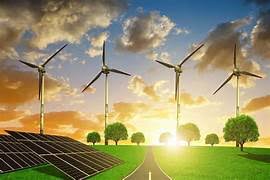
With growing concerns about climate change, pollution, and the depletion of fossil fuels, renewable energy technologies have emerged as the cornerstone of a sustainable energy future. Unlike conventional energy sources, renewable energy comes from naturally replenishing sources such as sunlight, wind, water, and biomass. These technologies are transforming how we generate, distribute, and consume energy, reducing environmental impact while supporting economic growth and energy security.
This article explores the fundamentals of renewable energy, the main technologies, applications, benefits, challenges, and future prospects.
Understanding Renewable Energy
Renewable energy refers to energy derived from natural resources that are replenished constantly or over short periods. The key sources include:
- Solar Energy: Harnessing sunlight using photovoltaic (PV) panels or solar thermal systems.
- Wind Energy: Capturing kinetic energy from wind through turbines.
- Hydropower: Using flowing or falling water to generate electricity.
- Biomass Energy: Converting organic materials such as wood, crop waste, or animal waste into energy.
- Geothermal Energy: Using heat from the Earth’s interior for electricity generation or heating.
- Ocean Energy: Utilizing tides, waves, and thermal gradients in oceans for power generation.
Renewable energy technologies aim to provide clean, reliable, and sustainable alternatives to fossil fuels while reducing greenhouse gas emissions.
Main Renewable Energy Technologies
1. Solar Energy
Solar energy is one of the most widely adopted renewable energy sources:
- Photovoltaic (PV) Systems: Convert sunlight directly into electricity using semiconductor materials. Solar panels are installed on rooftops, solar farms, or portable devices.
- Solar Thermal Systems: Use mirrors or collectors to concentrate sunlight to produce heat, which can drive turbines or provide hot water.
- Concentrated Solar Power (CSP): Large-scale systems that use mirrors to focus sunlight onto a central tower to generate electricity.
Solar energy is scalable, from small residential systems to large utility-scale solar farms. It is clean, abundant, and increasingly cost-competitive.
2. Wind Energy
Wind energy harnesses the kinetic energy of moving air to generate electricity:
- Onshore Wind Farms: Turbines installed on land capture wind energy and feed it into the grid.
- Offshore Wind Farms: Turbines in oceans or large water bodies generate power from stronger and more consistent winds.
- Small Wind Systems: Used for individual homes or rural communities.
Modern turbines can reach heights of over 200 meters and are equipped with AI-driven sensors to optimize energy capture.
3. Hydropower
Hydropower is one of the oldest and most reliable renewable energy sources:
- Large Dams: Water stored in reservoirs drives turbines to produce electricity.
- Run-of-River Systems: Utilize the natural flow of rivers without large reservoirs, minimizing environmental impact.
- Pumped Storage: Stores energy by pumping water to higher elevations during low-demand periods and releasing it during peak demand.
Hydropower is flexible, provides base-load and peak-load electricity, and contributes to grid stability.
4. Biomass Energy
Biomass energy converts organic materials into heat, electricity, or biofuels:
- Direct Combustion: Burning wood, crop residues, or municipal waste to generate heat or electricity.
- Anaerobic Digestion: Produces biogas from organic waste, which can fuel generators or vehicles.
- Biofuels: Converts crops or waste into ethanol, biodiesel, or renewable hydrogen.
Biomass energy is renewable, reduces waste, and supports rural economies.
5. Geothermal Energy
Geothermal energy taps into heat stored beneath the Earth’s surface:
- Geothermal Power Plants: Convert underground steam or hot water into electricity.
- Geothermal Heat Pumps: Provide heating and cooling for residential and commercial buildings.
Geothermal energy is reliable, produces low emissions, and is available 24/7, making it a stable power source.
6. Ocean Energy
Ocean energy utilizes tidal, wave, and thermal energy:
- Tidal Energy: Uses the rise and fall of tides to generate electricity through turbines.
- Wave Energy: Captures energy from surface waves using floating or submerged devices.
- Ocean Thermal Energy Conversion (OTEC): Exploits temperature differences between surface and deep ocean waters to produce power.
Ocean energy is predictable, abundant, and has significant potential in coastal regions.
Applications of Renewable Energy
- Electricity Generation: Powering homes, industries, and cities using solar, wind, hydropower, and geothermal systems.
- Heating and Cooling: Solar thermal systems, geothermal heat pumps, and biomass provide thermal energy for buildings.
- Transportation: Biofuels and renewable hydrogen reduce dependence on fossil fuels in vehicles, ships, and planes.
- Rural Electrification: Off-grid renewable systems provide electricity to remote areas without access to traditional power grids.
- Industrial Processes: Renewable energy powers manufacturing, chemical processes, and water desalination sustainably.
Benefits of Renewable Energy
- Environmental Protection: Reduces greenhouse gas emissions and air pollution.
- Energy Security: Diversifies energy sources and reduces dependence on imported fossil fuels.
- Economic Growth: Creates jobs in manufacturing, installation, maintenance, and research.
- Sustainability: Harnesses resources that are abundant and naturally replenished.
- Grid Stability: Distributed renewable energy systems reduce transmission losses and improve reliability.
Challenges in Renewable Energy
Despite its benefits, renewable energy faces several challenges:
- Intermittency: Solar and wind energy depend on weather and time of day, requiring energy storage solutions.
- High Initial Costs: Installation of solar panels, wind turbines, or hydropower systems requires significant investment.
- Land and Environmental Concerns: Large renewable projects may impact ecosystems and biodiversity.
- Energy Storage: Efficient storage systems like batteries or pumped storage are essential to balance supply and demand.
- Grid Integration: Managing distributed energy sources and ensuring grid stability requires smart infrastructure.
Technological innovation, government policies, and investment are addressing these challenges, making renewable energy increasingly viable.
Future of Renewable Energy
The future of renewable energy is bright and transformative:
- Advanced Solar Technologies: Perovskite solar cells and floating solar farms promise higher efficiency and wider deployment.
- Offshore Wind Expansion: Offshore wind farms are becoming more cost-effective and capable of generating large-scale energy.
- Energy Storage Innovations: Next-generation batteries, hydrogen storage, and supercapacitors will solve intermittency challenges.
- Smart Grids and AI Integration: AI-enabled smart grids will optimize energy distribution, reduce waste, and balance supply and demand.
- Hybrid Systems: Combining solar, wind, and storage solutions will ensure reliable and continuous energy supply.
- Global Policy Support: International agreements and carbon-neutral initiatives will accelerate adoption.
Renewable energy technologies are expected to supply the majority of global energy demand in the coming decades, powering a sustainable and low-carbon world.
Conclusion
Renewable energy technologies are reshaping the global energy landscape. Solar, wind, hydropower, biomass, geothermal, and ocean energy provide clean, sustainable alternatives to fossil fuels, reducing environmental impact and supporting economic growth.
While challenges such as intermittency, high costs, and grid integration remain, technological innovation, supportive policies, and increasing investment are driving widespread adoption. The integration of smart grids, energy storage, and hybrid systems ensures a reliable, efficient, and resilient energy future.
By embracing renewable energy technologies, societies can address climate change, achieve energy security, create jobs, and ensure sustainable development for generations to come. Renewable energy is not just a solution—it is the path toward a cleaner, greener, and more prosperous future.