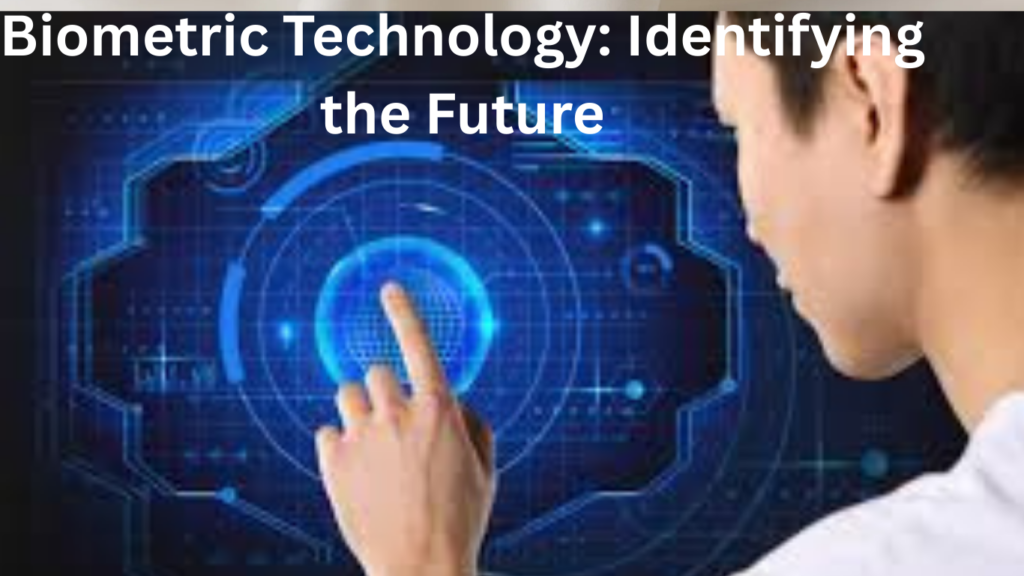
In a world increasingly driven by digital security and authentication needs, biometric technology has emerged as a revolutionary method of identification and verification. Unlike traditional methods such as passwords, PINs, or ID cards, biometric systems use unique human characteristics—such as fingerprints, facial features, voice, or iris patterns—to confirm identity. This technology is transforming security, healthcare, finance, law enforcement, and daily life, offering both convenience and enhanced protection against fraud.
What Is Biometric Technology?
Biometric technology refers to automated systems that measure and analyze human biological and behavioral traits for identification and verification. These systems are designed to answer two fundamental questions:
- Who are you? (Identification)
- Are you who you claim to be? (Authentication)
The key principle behind biometrics is that every individual has unique physical or behavioral attributes that can be measured and verified electronically.
Types of Biometric Technology
Biometric technologies are broadly classified into physiological and behavioral biometrics:
1. Physiological Biometrics
These involve measurable physical characteristics of a person. Examples include:
- Fingerprint Recognition: Analyzes ridge patterns on fingertips. Commonly used in smartphones, access control, and law enforcement.
- Facial Recognition: Uses facial landmarks, geometry, and features to identify individuals. Used in security cameras, airports, and mobile devices.
- Iris Recognition: Examines unique patterns in the colored ring of the eye. Known for high accuracy and used in border control and secure facilities.
- Retina Scanning: Analyzes the unique pattern of blood vessels in the retina. Used in high-security environments.
- Hand Geometry: Measures the shape, size, and structure of the hand. Applied in time and attendance systems.
- DNA Profiling: Provides ultimate identification by analyzing genetic material. Used primarily in forensic and criminal investigations.
2. Behavioral Biometrics
These rely on patterns in behavior that are unique to an individual. Examples include:
- Voice Recognition: Identifies a person based on vocal attributes and speech patterns. Used in call centers, banking, and voice assistants.
- Signature Recognition: Analyzes the dynamics of signing patterns, including speed, pressure, and stroke.
- Keystroke Dynamics: Monitors typing rhythm and speed to verify identity.
- Gait Analysis: Evaluates walking patterns for security and surveillance applications.
How Biometric Systems Work
A biometric system generally operates in the following steps:
- Data Acquisition: The system captures the biometric sample (e.g., fingerprint scan or voice recording).
- Feature Extraction: Key characteristics are extracted from the sample and converted into a digital template.
- Storage: The template is stored securely in a database or on a device for future comparison.
- Matching: When a person attempts authentication, the system compares the new sample with stored templates to verify identity.
- Decision Making: Based on the comparison, the system grants or denies access.
Accuracy is measured in terms of False Acceptance Rate (FAR) and False Rejection Rate (FRR), reflecting the system’s reliability.
Applications of Biometric Technology
1. Security and Access Control
Biometrics enhance physical and digital security by ensuring that only authorized individuals gain access:
- Offices, airports, and government facilities use fingerprint or iris scanners.
- Smartphones and laptops rely on facial recognition or fingerprint unlock.
- Border control and immigration authorities deploy facial and iris recognition systems for travelers.
2. Banking and Finance
Financial institutions leverage biometrics to prevent fraud and streamline authentication:
- ATM access via fingerprint or palm scan.
- Mobile banking apps using facial or voice recognition.
- Secure payment systems and e-wallets using biometric authentication.
3. Healthcare
Biometric technology improves patient safety and healthcare efficiency:
- Identifying patients to prevent medical errors.
- Securing electronic health records.
- Monitoring healthcare staff access to controlled areas or medications.
4. Law Enforcement and Forensics
Biometrics play a crucial role in criminal investigations:
- Fingerprint databases help solve crimes.
- Facial recognition identifies suspects from surveillance footage.
- DNA profiling links individuals to criminal evidence.
5. Travel and Hospitality
Airports and hotels use biometrics for convenience and efficiency:
- Automated boarding gates and security checkpoints.
- Hotel check-ins using facial recognition for registered guests.
6. Workforce Management
Organizations use biometrics for attendance, time tracking, and secure facility access, eliminating issues like buddy punching.
Benefits of Biometric Technology
- Enhanced Security: Biometrics are unique to each individual, making unauthorized access difficult.
- Convenience: Users no longer need passwords, PINs, or access cards.
- Accuracy: Reduces errors and fraud in identification and authentication processes.
- Time-Saving: Speeds up verification in banking, travel, and workplaces.
- Integration with Digital Systems: Can be combined with mobile apps, IoT devices, and AI for smarter solutions.
Challenges and Limitations
- Privacy Concerns: Collection and storage of biometric data raise privacy and ethical issues.
- Data Breaches: Biometric templates, if compromised, cannot be changed like passwords.
- False Positives/Negatives: No system is perfect; errors may allow unauthorized access or reject legitimate users.
- High Cost: Deployment of advanced biometric systems can be expensive.
- Accessibility: Some individuals may have worn fingerprints, facial changes, or other conditions that hinder recognition.
- Legal and Ethical Issues: Governments and organizations must ensure compliance with data protection laws and ethical use.
Future of Biometric Technology
The future promises more sophisticated, seamless, and secure biometric solutions:
- Multimodal Biometrics: Combining multiple biometric traits (e.g., fingerprint + facial recognition) to improve accuracy.
- AI-Powered Recognition: Artificial intelligence enhances detection, reduces errors, and adapts to changing features.
- Contactless Biometric Systems: Facial, iris, and voice recognition reduce physical contact, important in post-pandemic environments.
- Wearable Biometric Devices: Smartwatches and health trackers monitor identity and health parameters simultaneously.
- Blockchain Integration: Secure, decentralized storage of biometric templates can improve privacy and prevent tampering.
- Global Adoption in Smart Cities: Integration into smart infrastructure for transport, healthcare, and public safety.
Conclusion
Biometric technology represents a major leap forward in identification and authentication. By leveraging unique human traits, it enhances security, simplifies access, and improves efficiency across multiple sectors—from banking and healthcare to law enforcement and smart cities.
While challenges such as privacy, cost, and ethical considerations exist, ongoing advancements in AI, IoT, and blockchain are making biometric systems more accurate, secure, and user-friendly.
As the world continues to digitize, biometric technology is set to become an integral part of daily life, ensuring safer, smarter, and more convenient interactions in both personal and professional domains.