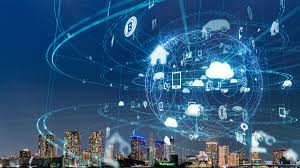
The Internet of Things (IoT) is revolutionizing the way we live, work, and interact with technology. By connecting everyday objects to the internet, IoT enables devices to collect, share, and act on data, creating smarter environments and more efficient systems. From smart homes and healthcare monitoring to industrial automation and smart cities, IoT is transforming industries and daily life.
This article explores the fundamentals of IoT, its applications, benefits, challenges, and the future potential of this rapidly evolving technology.
Understanding IoT
The Internet of Things refers to a network of physical objects—often called “smart devices”—embedded with sensors, software, and connectivity, allowing them to exchange data over the internet. These devices range from household appliances, wearable fitness trackers, and vehicles to industrial machinery and city infrastructure.
Key components of IoT include:
- Sensors and Actuators: Collect data from the environment (e.g., temperature, motion, humidity) and act upon it (e.g., turning on a light, adjusting machinery).
- Connectivity: Devices communicate via Wi-Fi, Bluetooth, 5G, or other protocols to share information with other devices or cloud servers.
- Data Processing: Collected data is analyzed using cloud computing, edge computing, or AI algorithms to derive insights or trigger actions.
- User Interface: Applications, dashboards, or automated systems allow users to interact with devices and control them remotely.
Through these components, IoT creates a seamless connection between the physical and digital worlds, enabling real-time monitoring, automation, and intelligent decision-making.
Applications of IoT
1. Smart Homes
IoT has transformed homes into smart, connected environments. Devices like smart thermostats, lighting systems, security cameras, and appliances can be controlled remotely via smartphones or voice assistants. For example:
- Smart Thermostats: Automatically adjust temperature based on user behavior, improving comfort and energy efficiency.
- Smart Locks: Enable keyless entry and real-time monitoring of home security.
- Voice Assistants: Devices like Amazon Alexa or Google Home integrate IoT devices and provide control through voice commands.
Smart homes improve convenience, energy efficiency, and security for users.
2. Healthcare and Wearables
IoT has a profound impact on healthcare through wearable devices and remote monitoring systems. Examples include:
- Fitness Trackers: Monitor heart rate, sleep patterns, and physical activity.
- Smart Medical Devices: Devices like glucose monitors or blood pressure cuffs transmit data to healthcare providers in real time.
- Remote Patient Monitoring: Enables doctors to track chronic conditions and provide timely interventions without in-person visits.
IoT improves patient care, reduces hospital visits, and enables proactive health management.
3. Industrial IoT (IIoT)
IoT is a cornerstone of Industry 4.0, driving industrial automation and efficiency. Sensors embedded in machinery collect data to monitor performance, detect faults, and predict maintenance needs.
Applications include:
- Predictive Maintenance: Reduces downtime by addressing equipment issues before failure occurs.
- Supply Chain Optimization: Tracks inventory and shipment status in real time, improving logistics efficiency.
- Smart Factories: Automate processes, monitor energy consumption, and enhance safety through connected systems.
Industrial IoT boosts productivity, reduces costs, and enhances workplace safety.
4. Smart Cities
IoT is transforming urban environments into smart cities, enhancing quality of life and sustainability. Examples include:
- Smart Traffic Management: Sensors monitor congestion, adjusting traffic signals to improve flow.
- Waste Management: IoT-enabled bins alert authorities when collection is needed, optimizing routes and reducing costs.
- Environmental Monitoring: Sensors track air quality, noise, and water levels to improve public health and safety.
Smart cities leverage IoT to create efficient, sustainable, and citizen-friendly urban ecosystems.
5. Agriculture and Environmental Monitoring
IoT helps farmers optimize crop yields and conserve resources:
- Soil and Crop Sensors: Measure moisture, nutrients, and temperature to guide irrigation and fertilization.
- Livestock Monitoring: Track animal health and behavior using wearable devices.
- Climate Monitoring: Sensors provide real-time data to predict weather changes and prevent crop damage.
IoT enables precision agriculture, improving productivity and reducing environmental impact.
6. Transportation and Logistics
IoT enhances mobility and logistics efficiency:
- Connected Vehicles: Vehicles equipped with IoT sensors communicate with traffic systems, other vehicles, and infrastructure to improve safety and navigation.
- Fleet Management: Real-time tracking of vehicles improves delivery efficiency and reduces operational costs.
- Predictive Maintenance: Monitors vehicle health to prevent breakdowns and ensure timely repairs.
IoT improves transportation safety, efficiency, and sustainability.
7. Retail and Customer Experience
Retailers use IoT to enhance shopping experiences:
- Smart Shelves: Track inventory and automatically reorder products.
- Personalized Marketing: IoT devices analyze customer behavior to provide targeted offers.
- Contactless Payments: IoT-enabled payment systems allow faster and safer transactions.
Retailers gain operational efficiency while customers enjoy convenience and personalization.
Benefits of IoT
The adoption of IoT brings numerous advantages:
- Automation: Reduces human intervention by enabling smart systems.
- Real-Time Monitoring: Provides immediate insights into device performance and user behavior.
- Efficiency: Optimizes processes in industries, cities, and homes, saving time and resources.
- Cost Savings: Preventive maintenance and optimized operations reduce expenses.
- Data-Driven Decisions: Enables organizations to make informed choices based on accurate, real-time data.
- Improved Quality of Life: Enhances healthcare, safety, convenience, and environmental sustainability.
Challenges and Risks
Despite its potential, IoT faces several challenges:
- Security: Connected devices are vulnerable to cyberattacks, risking personal data and system integrity.
- Privacy: IoT devices collect vast amounts of personal data, raising concerns over misuse or surveillance.
- Interoperability: Diverse devices and standards can create compatibility issues.
- Scalability: Managing billions of connected devices and vast data volumes requires advanced infrastructure.
- Cost: Implementing IoT infrastructure can be expensive, particularly for smaller organizations.
Addressing these challenges requires robust cybersecurity measures, standardized protocols, and responsible data management.
Future of IoT
The future of IoT is closely tied to AI, 5G, and edge computing. These technologies will make IoT devices smarter, faster, and more responsive:
- AI Integration: Devices will analyze data locally and autonomously, enabling predictive and adaptive actions.
- 5G Connectivity: High-speed, low-latency networks will support real-time IoT applications at massive scale.
- Edge Computing: Processing data closer to the source reduces latency and enhances efficiency.
Emerging trends include autonomous transportation, smart healthcare ecosystems, connected homes, and sustainable smart cities, all driven by IoT. As IoT continues to expand, it will fundamentally reshape daily life, industry, and global infrastructure.
Conclusion
The Internet of Things (IoT) represents a paradigm shift in technology, connecting the physical and digital worlds in ways previously unimaginable. From smart homes and healthcare to industrial automation, smart cities, agriculture, and transportation, IoT is enhancing efficiency, safety, and convenience.