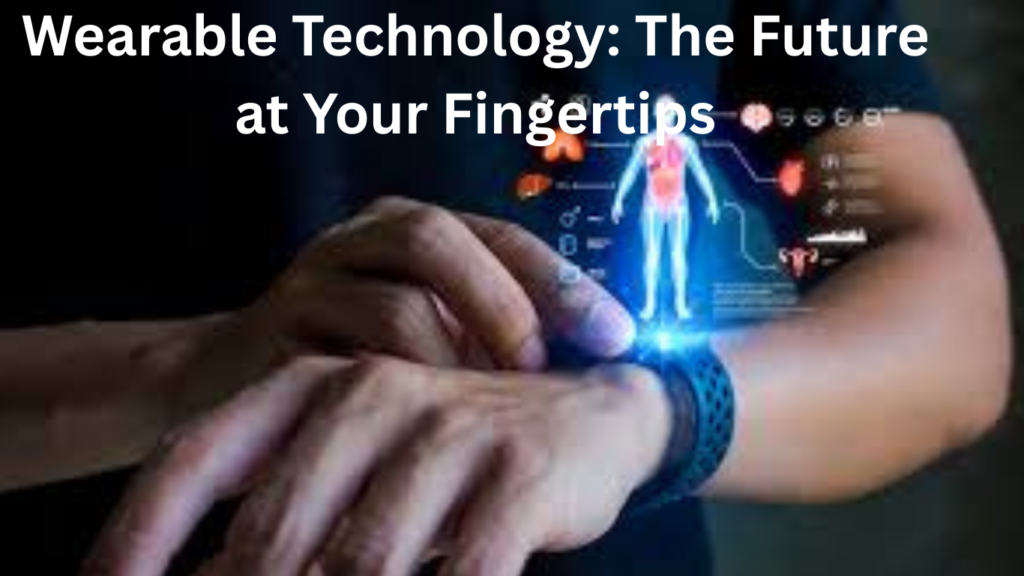
In the modern era, technology is increasingly becoming a part of our daily lives, often integrated into devices we carry or wear. Wearable technology refers to electronic devices designed to be worn on the body, offering convenience, monitoring, and connectivity. From smartwatches that track fitness to AR glasses that overlay digital information on the real world, wearable technology is revolutionizing healthcare, fitness, communication, entertainment, and workplace productivity.
What Is Wearable Technology?
Wearable technology encompasses electronic devices or gadgets that can be worn on the body, either as accessories, embedded in clothing, or even implanted. These devices are typically connected to the internet or paired with smartphones and computers to collect, analyze, and transmit data.
Wearables can:
- Monitor health and fitness metrics
- Enhance productivity through notifications and apps
- Provide real-time information through augmented or virtual reality
- Enable seamless communication and interaction
The key advantage of wearables is that they allow users to interact with technology without relying on traditional computing devices like smartphones or laptops.
Types of Wearable Technology
Wearable devices can be broadly categorized into several types based on functionality:
1. Fitness and Health Wearables
These devices focus on monitoring physical activity, health metrics, and wellness:
- Smartwatches: Track steps, heart rate, sleep patterns, and workouts. Examples: Apple Watch, Samsung Galaxy Watch.
- Fitness Bands: Lightweight bands that monitor daily activity, calories burned, and exercise routines.
- Wearable ECG and Heart Monitors: Detect irregular heart rhythms and monitor cardiovascular health.
- Smart Clothing: Embedded sensors in clothing track posture, body temperature, and muscle activity.
2. Medical Wearables
These devices assist in monitoring or managing health conditions:
- Continuous Glucose Monitors (CGMs): Track blood sugar levels for diabetic patients.
- Wearable Insulin Pumps: Deliver insulin based on real-time monitoring.
- Pain Management Devices: Use electrical stimulation to relieve chronic pain.
3. Augmented Reality (AR) and Virtual Reality (VR) Wearables
These enhance interaction with digital content:
- AR Glasses: Overlay digital information onto the physical world. Example: Microsoft HoloLens.
- VR Headsets: Immerse users in a virtual environment for gaming, training, or simulations. Example: Oculus Quest.
4. Smart Jewelry and Accessories
Stylish wearables that provide notifications, health tracking, or security:
- Rings that track heart rate or activity
- Bracelets that send alerts or track sleep patterns
- Necklaces with embedded NFC chips for digital identification
5. Wearables for Communication and Safety
Devices that help in communication, safety, and emergency response:
- Smart earbuds that transcribe conversations, provide translations, or detect environmental sounds
- Wearable panic buttons or GPS trackers for children, elderly, or lone workers
How Wearable Technology Works
Wearable devices function through the combination of sensors, connectivity, and software:
- Sensors: Detect physiological, environmental, or motion data (heart rate, steps, temperature, location).
- Connectivity: Bluetooth, Wi-Fi, or cellular connections transmit data to smartphones, cloud platforms, or other devices.
- Data Processing: Software or AI algorithms analyze collected data to provide insights, alerts, or recommendations.
- User Interface: Displays, notifications, or haptic feedback allow users to interact with the device in real-time.
For example, a smartwatch tracks heart rate, analyzes patterns using AI, and sends alerts if irregular activity is detected.
Applications of Wearable Technology
Wearables have diverse applications across multiple sectors:
1. Healthcare
- Continuous health monitoring for chronic disease management
- Early detection of heart conditions or sleep disorders
- Remote patient monitoring for telemedicine
2. Fitness and Lifestyle
- Tracking physical activity, calories burned, and sleep
- Personalized fitness coaching through AI-driven recommendations
- Motivation and gamification to maintain healthy habits
3. Workplace Productivity
- Smart glasses providing real-time instructions for assembly or repair work
- Wearables for posture correction and reducing workplace injuries
- Hands-free notifications for employees in industrial or high-safety environments
4. Entertainment and Gaming
- VR headsets for immersive gaming experiences
- AR glasses for interactive storytelling or live events
- Wearables integrated with motion sensors for fitness games
5. Security and Safety
- GPS-enabled wearables for children, elderly, or lone workers
- Panic alerts or SOS features for emergencies
- Biometric authentication through wearable devices for secure access
6. Fashion and Lifestyle
- Smart jewelry that combines aesthetics with functionality
- Clothing with embedded sensors that monitor body temperature or stress
- Customizable notifications and LED displays in fashion wearables
Benefits of Wearable Technology
- Real-Time Monitoring: Provides instant feedback on health, activity, or environmental conditions.
- Convenience: Wearables offer hands-free access to notifications, communication, and information.
- Enhanced Safety: Panic buttons, GPS tracking, and health alerts improve personal security.
- Improved Healthcare Outcomes: Continuous monitoring helps in early detection of diseases and better patient management.
- Motivation and Engagement: Gamified tracking encourages healthy habits and fitness routines.
- Data-Driven Insights: Wearables provide valuable data for research, healthcare analytics, and personalized recommendations.
Challenges and Limitations
- Privacy and Security: Wearables collect sensitive personal data, raising concerns about breaches and misuse.
- Battery Life: Continuous monitoring can drain batteries quickly, limiting usability.
- Accuracy: Sensors may provide inaccurate data due to improper wear or device limitations.
- Cost: High-end wearables can be expensive, limiting accessibility.
- Compatibility: Not all devices are compatible with every smartphone, app, or platform.
- User Adoption: Some users may resist wearing devices for extended periods due to comfort or aesthetics.
Future Trends in Wearable Technology
- Integration with AI and Machine Learning: AI will provide smarter insights and predictive analytics for health, fitness, and productivity.
- Miniaturization: Smaller, lighter, and more comfortable devices that blend seamlessly with everyday clothing and accessories.
- Flexible and Smart Textiles: Clothing with embedded sensors for continuous monitoring and enhanced comfort.
- Enhanced Healthcare Applications: Remote diagnostics, early disease detection, and personalized treatment plans using wearable-generated data.
- IoT Connectivity: Wearables will communicate with other smart devices and systems for a more connected ecosystem.
- Augmented Reality Expansion: AR wearables for navigation, training, entertainment, and industrial applications will become more widespread.
- Sustainable Wearables: Eco-friendly materials and energy-efficient devices will reduce environmental impact.
Conclusion
Wearable technology is transforming how humans interact with devices, data, and their own bodies. From fitness tracking and healthcare monitoring to immersive gaming and workplace productivity, wearables offer unparalleled convenience, real-time insights, and enhanced safety.
While challenges such as privacy, battery life, and cost exist, ongoing innovations in AI, IoT, flexible electronics, and smart textiles are making wearable devices more accurate, versatile, and integrated into daily life.
As the technology continues to evolve, wearable devices are poised to become an essential part of personal, professional, and healthcare ecosystems—literally putting the future at our fingertips.